
遍历 Dictionary,你会几种方式?
一:背景
1. 讲故事
昨天在 StackOverflow 上看到一个很有趣的问题,说: 你会几种遍历字典的方式,然后跟帖就是各种奇葩的回答,挺有意思,马上就要国庆了,娱乐娱乐吧,说说这种挺无聊的问题???。
二:使用 foreach 遍历
为了方便演示,先上一段测试代码:
            var dict = new Dictionary<int, string>()
            {
                [10] = "A10",
                [20] = "A20",
                [30] = "A30",
                [40] = "A40",
                [50] = "A50"
            };
1. 直接 foreach dict
如果要拿百分比说话,估计有 50%+ 的小伙伴用这种方式,为啥,简单粗暴呗,其他没什么好说的,直接上代码:
            foreach (var item in dict)
            {
                Console.WriteLine($"key={item.Key},value={item.Value}");
            }
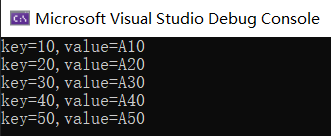
这里的 item 是底层在 MoveNext 的过程中用 KeyValuePair 包装出来的,如果你不信的话,看下源码呗:
 public bool MoveNext()
 {
  while ((uint)_index < (uint)_dictionary._count)
  {
   ref Entry reference = ref _dictionary._entries[_index++];
   if (reference.next >= -1)
   {
    _current = new KeyValuePair


      (reference.key, reference.

      value);


      return

      true;


   }


  }


 }
2. foreach 中 使用 KeyPairValue 解构
刚才你也看到了 item 是 KeyValuePair 类型,不过??的是 netcore 对 KeyValuePair 进行了增强,增加了 Deconstruct 函数用来解构 KeyValuePair,代码如下:
    public readonly struct KeyValuePair


    {


      private

      readonly TKey key;


      private

      readonly TValue

      value;


      public TKey Key => key;


      public TValue Value =>

      value;


      public KeyValuePair(TKey key, TValue value)


        {


      this.key = key;


      this.

      value =

      value;


        }


      public void Deconstruct(out TKey key, out TValue value)


        {


            key = Key;


      value = Value;


        }


    }
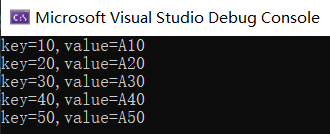
有了这个解构函数,你就可以在遍历的过程中直接拿到 key,value,而不是包装的 KeyValuePair,这在 netframework 中可是不行的哈,实现代码如下:
            foreach ((int key, string value) in dict)
            {
                Console.WriteLine($"key={key},value={value}");
            }
3. foreach keys
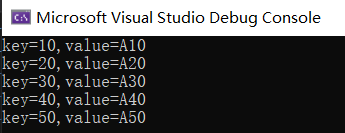
前面的例子都是直接对 dict 进行 foreach,其实你还可以对 dict.keys 进行 foreach 遍历,然后通过遍历出的 key 对 dict 进行类索引器读取,代码如下:
            foreach (var key in dict.Keys)
            {
                Console.WriteLine($"key={key},value={dict[key]}");
            }
说到这里,不知道你是否有一个潜意识,那就是 dict 只能通过 foreach 进行遍历,真相是不是这样的呢?要寻找答案,还是回头看一下 foreach 是如何进行遍历的。
public struct Enumerator : IEnumerator


       >, IDisposable, IEnumerator, IDictionaryEnumerator


{


       public bool MoveNext()


 {


       while ((

       uint)_index < (

       uint)_dictionary._count)


  {


       ref Entry reference =

       ref _dictionary._entries[_index++];


       if (reference.next >=

       -1)


   {


    _current =

       new KeyValuePair


        (reference.key, reference.

        value);


        return

        true;


   }


  }


  _index = _dictionary._count +

        1;


  _current =

        default(KeyValuePair


         );


         return

         false;


 }


}
仔细看这个 while 循环,你就应该明白,本质上它也是对 entries 数组进行遍历,那底层都用了 while,我是不是可以用 for 来替换然后循环 dict 呢?哈哈,反正就是模仿呗。
三:使用 for 遍历
为了把 MoveNext 中的代码模拟出来,重点在于这条语句:ref Entry reference = ref _dictionary._entries[_index++];, 其实很简单,_entries 数组内容的提取可以用 Linq 的 ElementAt 方法,是不是~~~ ,改造后的代码如下:
            for (int i = 0; i < dict.Count; i++)
            {
                (int key, string value) = dict.ElementAt(i);

                Console.WriteLine($"key={key},value={dict[key]}");
            }
接下来是不是很好奇这个 ElementAt 扩展方法是如何实现的,一起看看源码吧。
    public static TSource ElementAt


      (

      this IEnumerable


        source,

       int index)


    {


        IList


         list = source

        as IList


         ;


         if (list !=

         null)


        {


         return list[index];


        }


         if (index >=

         0)


        {


         using (IEnumerator


           enumerator = source.GetEnumerator())


            {


          while (enumerator.MoveNext())


                {


          if (index ==

          0)


                    {


          return enumerator.Current;


                    }


                    index--;


                }


            }


        }


    }
从上面代码可以看到,如果当前的 source 没有实现 IList 接口的话,那就是一个巨大的坑,每一次执行 ElementAt 方法,最坏时间复杂度都是 O(N),就拿刚才的 for循环来说,它的最坏时间复杂度就是 O(n!) ,是不是比你想象的要恐怖的多,教训就是多实践,多看看源码~
四:总结
这篇列举了 4 种遍历 dict 的方式,不知你会用到哪几种?要注意的是最后 ElementAt 对 Source 判别上的大坑一定要明白,不要想当然的以为就是 O(N) ,好了,更多的 遍历方式 欢迎补充!

回复 【关闭】学关闭微信朋友圈广告
回复 【实战】获取20套实战源码
回复 【被删】学查看你哪个好友删除了你巧
回复 【访客】学微信查看朋友圈访客记录
回复 【小程序】学获取15套【入门+实战+赚钱】小程序源码
回复 【python】学微获取全套0基础Python知识手册
回复 【2019】获取2019 .NET 开发者峰会资料PPT
回复 【加群】加入dotnet微信交流群
卧槽:白嫖10个网站!别说我没告诉你!

屏蔽网页广告,还没用过这三款谷歌插件?